Reflections on the Inaugural Goodman Nonprofit Fellowship

Being with a group of people who care as much about the mission of their organizations as I do about mine and who also care about me and believe in me, keeps me going. I feel like I have made 17 new friends, colleagues, mentors and confidants.
– Jason Mack, 2025-2026 Goodman Nonprofit Fellow and Executive Director of Open Doors for Refugees

A recurring theme throughout the inaugural year of the Goodman Nonprofit Fellowship was the importance of building a trusted community of peers and the need for solidarity among nonprofit leaders.
While the training on key topics of nonprofit management, tailored to the needs of executive directors – the program’s other pillar – was essential, it was the depth of supportive relationships that made the program special. And these relationships clearly were what so many nonprofit leaders are craving and struggling to find.
While supporting nonprofits in these challenging times through advocacy and increased and flexible funding is important, we should not overlook the power of facilitating deeper community and solidarity within the sector. We should also remember to have some fun while we’re at it.
Nurturing Solidarity and Creating Space for Sharing
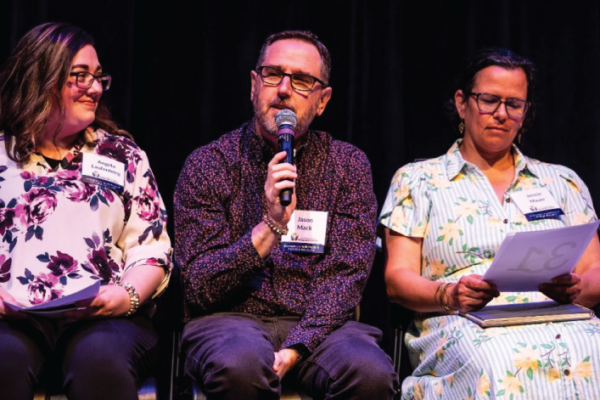
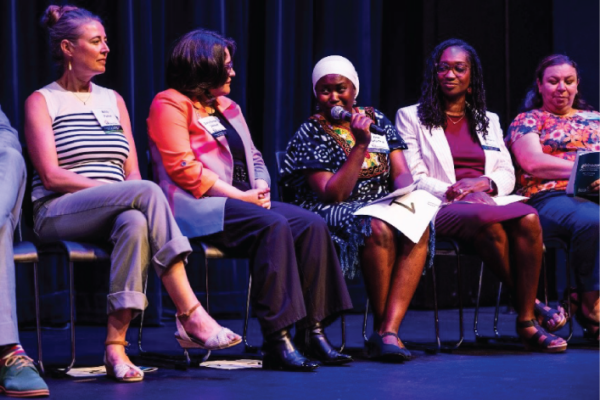
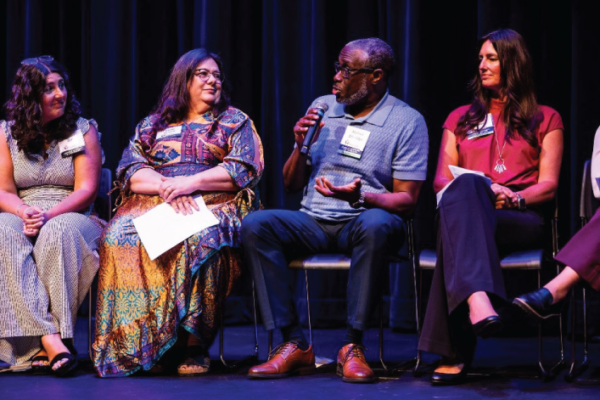
We nurtured solidarity in the Fellowship by creating space for Fellows to share practical tools and strategies, to be real about intense struggles, and to laugh and play together. As facilitators, we met the leaders where they were, sharing our talents and expertise and embracing opportunities to grow and learn from them. We worked hard to earn their trust and to demonstrate we were truly there to support them.
At every session, and through a lively group chat, Fellows shared tips and tricks on everything from which project management software to use to how to navigate thorny workplace conflicts. They shared the crushing stress brought about by funding cuts and political attacks and serving communities living in fear or desperation. We talked openly about power dynamics, the complexities of race and gender, and how trauma shows up in the work we all are doing.
Often Overlooked, Fun Was a Critical Component
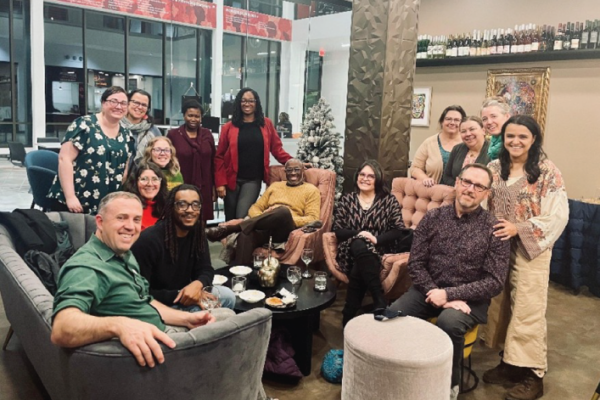
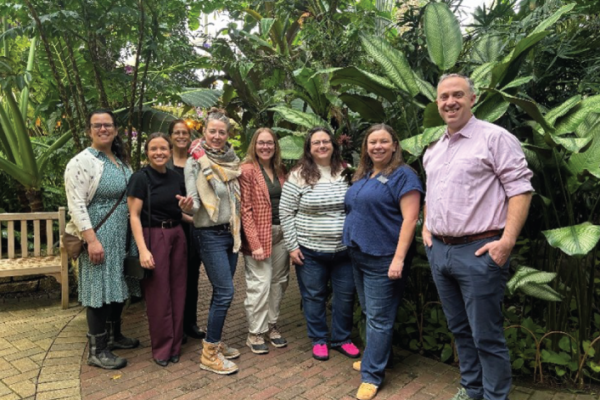
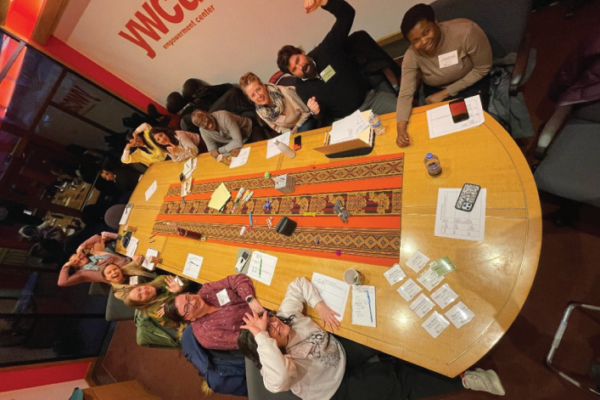
We also enjoyed being together. We had after-session happy hours and backyard BBQs, visited some of the beautiful spaces run by these amazing leaders (like Olbrich Botanical Gardens and Aldo Leopold Nature Center), and even played some nonprofit-themed games.
Strong bonds and networks of solidarity among nonprofit leaders are not just nice-to-haves but crucial elements of what nonprofit thought-leader and rabble-rouser Vu Le and his co-authors have described in the Stanford Social Innovation Review as “transformational capacity building”:
“While conventional capacity building focuses on an individual organization’s competitive advantage, transformational capacity building considers the larger ecosystem. With sufficient investment, leaders can connect, learn, and create together, intentionally cultivating relationships that go beyond organizational structures, titles, and issue areas. These relationships form networks that have more resilient and powerful community responses to root causes than any solo leader or organization can.”
Increasingly, research and journalism are revealing the intensity of the need for strong bonds among leaders:
- The Center for Effective Philanthropy’s recent “State of Nonprofits 2026” reports that nearly half of nonprofit CEOs are very concerned about their own burnout.
- The editor-in-chief of Nonprofit Quarterly regularly fields multiple calls from leaders in “despair” and urges funders to “check in on your nonprofit executives,” not just about financial and practical matters but also “on the mental and physical health of the leaders.”
Fostering community and solidarity among nonprofit leaders isn’t a panacea, but it is a key piece of the puzzle. Providing ongoing technical assistance and training is essential too, as is addressing structural issues like government policy and funding.
Building a Thriving Ecosystem
A thriving nonprofit ecosystem requires the people inside it to have each other’s backs, feel a sense of belonging, and have others they can rely on and seek wise council from. It also requires us keeping joy and humor alive.
The Goodman Nonprofit Center will continue to play a role in nurturing solidarity, not only through our next Fellowship cohort but also with events like the upcoming nonprofit leaders retreat, a young nonprofit professionals networking event, and much more in the years ahead.